8 baskets in one day

Denise image Rosemarysimage image Swapnas Mary   Allison

On Monday this week, eight members of the Forth team from Scottish Natural Heritage joined me at The Steeple for a creative away-day. They swapped keyboards and screens for plants and beeswax, linen thread and needles and each went home with a unique stitched basket.

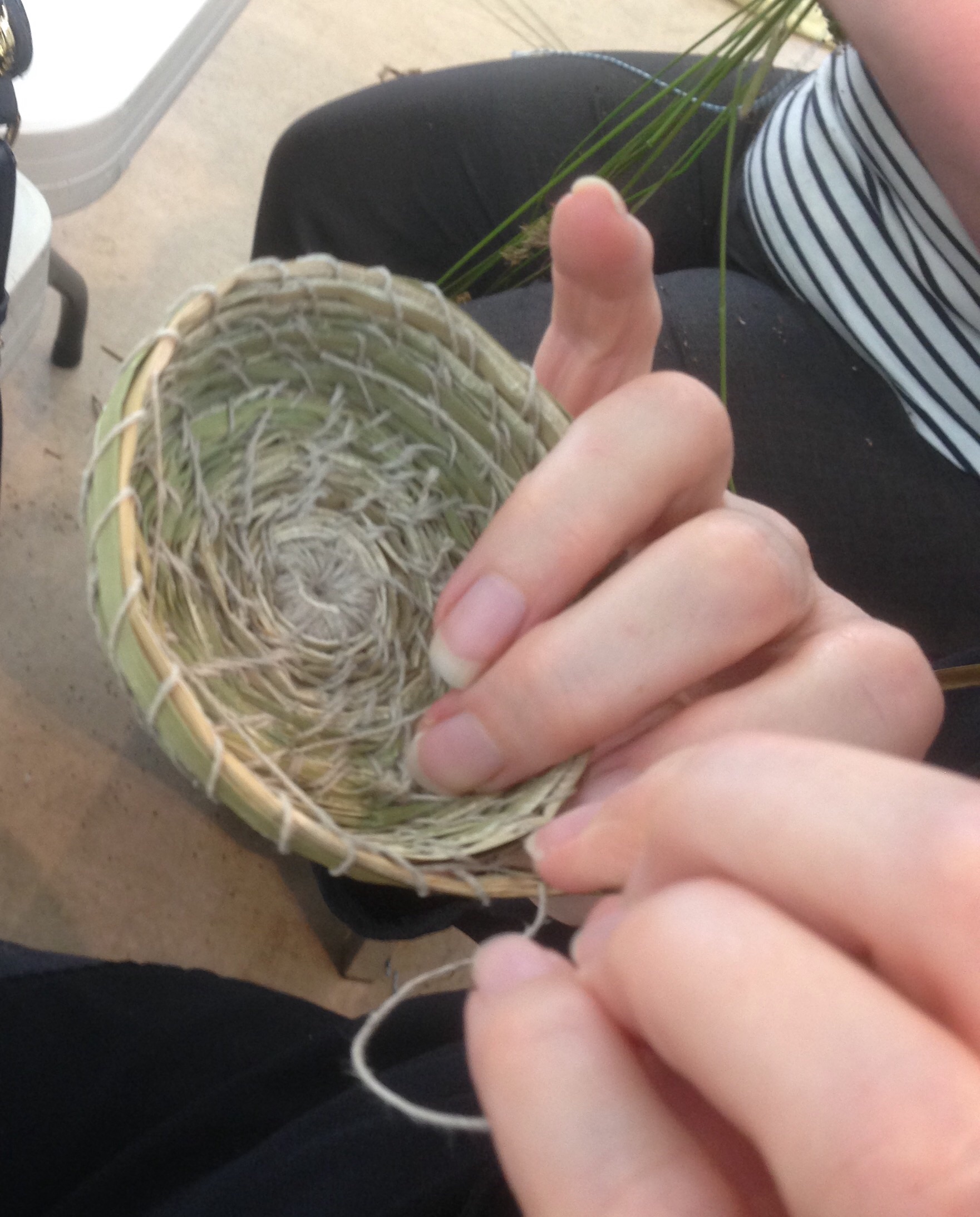
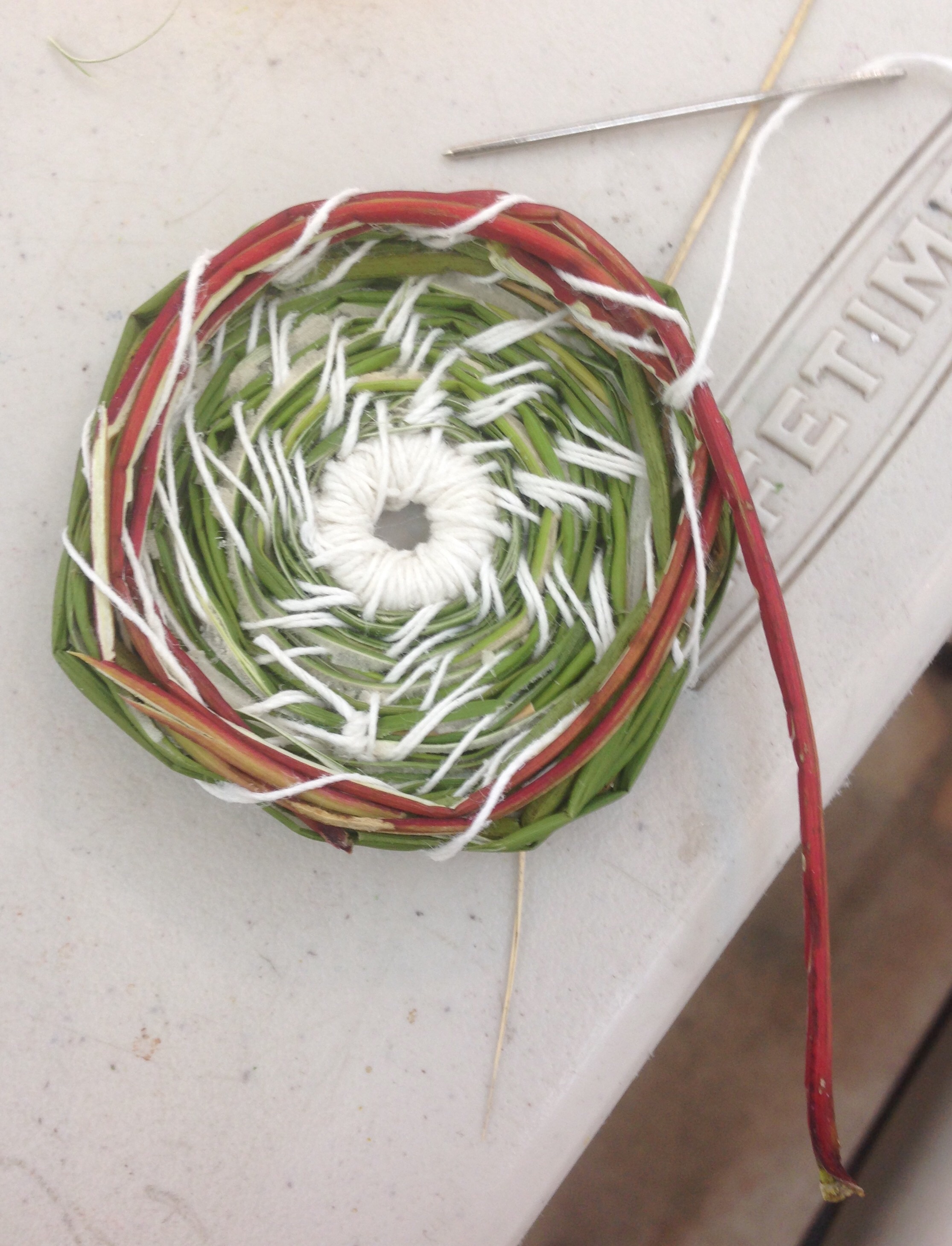
My heap of basket-making materials was supplemented by armfuls of useful bendy plants, harvested specially by SNH staff at Tentsmuir. I explained how these could be used, demonstrated the first stage of fiddly needle and thread work and the group got started. They picked up the process quickly, and we could see early on that there were going to be eight very different baskets.

image      image

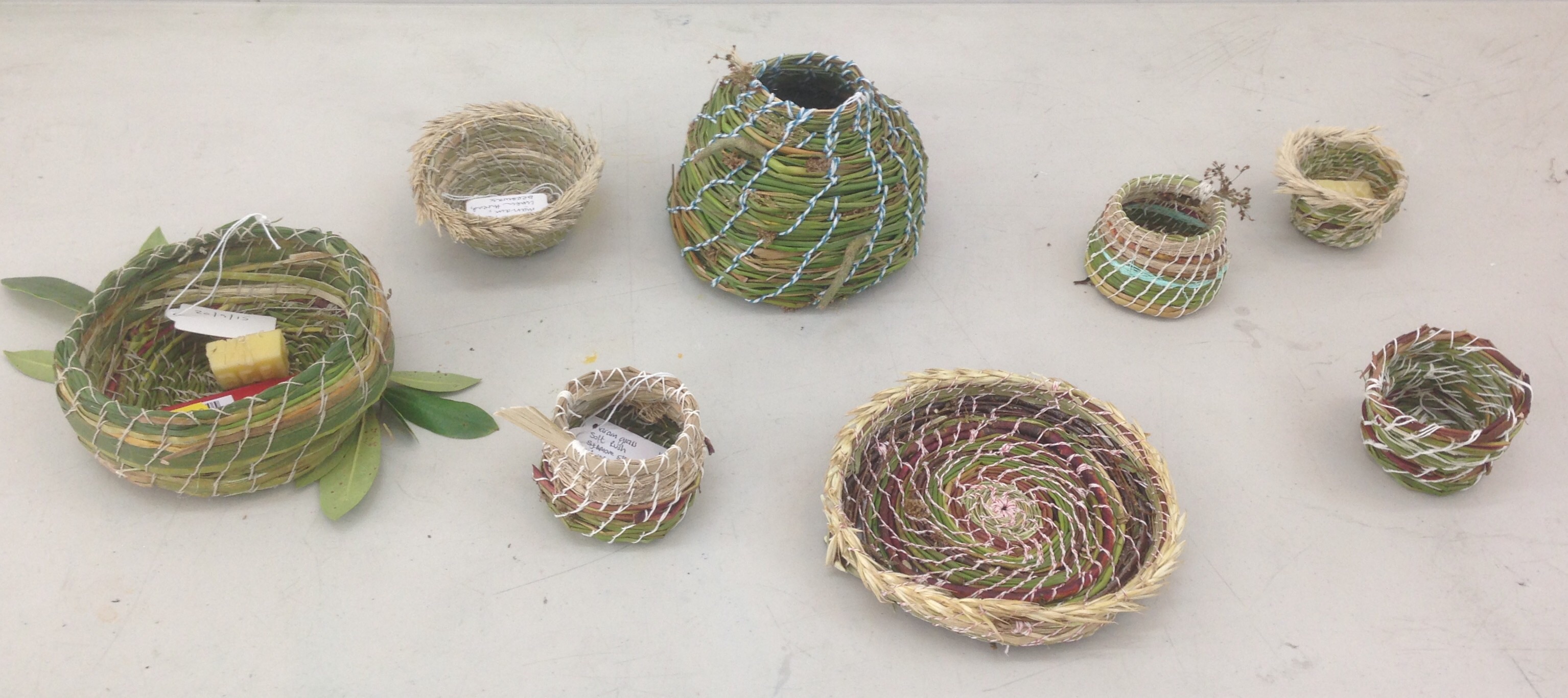
I was very impressed with everyone’s willingness to experiment and improvise. By the afternoon there was a fine mess on the tables too, always a good sign. Here are the lovely finished baskets and their makers…
image

image

……………………………………………………………………….

Here’s a list of the materials we used, collected with minimum (and some positive) impact on the environment:

Reedmace leaves, marram grass, lyme grass, soft rush, jointed rush, birch twigs, sycamore leaf-stalks, rhododendron twigs and leaves, blackthorn twigs (thorns removed!), beach-combed ships’ ropes, linen thread, bakers’ twine, beeswax.
Leaky basket

Largo Bay basket

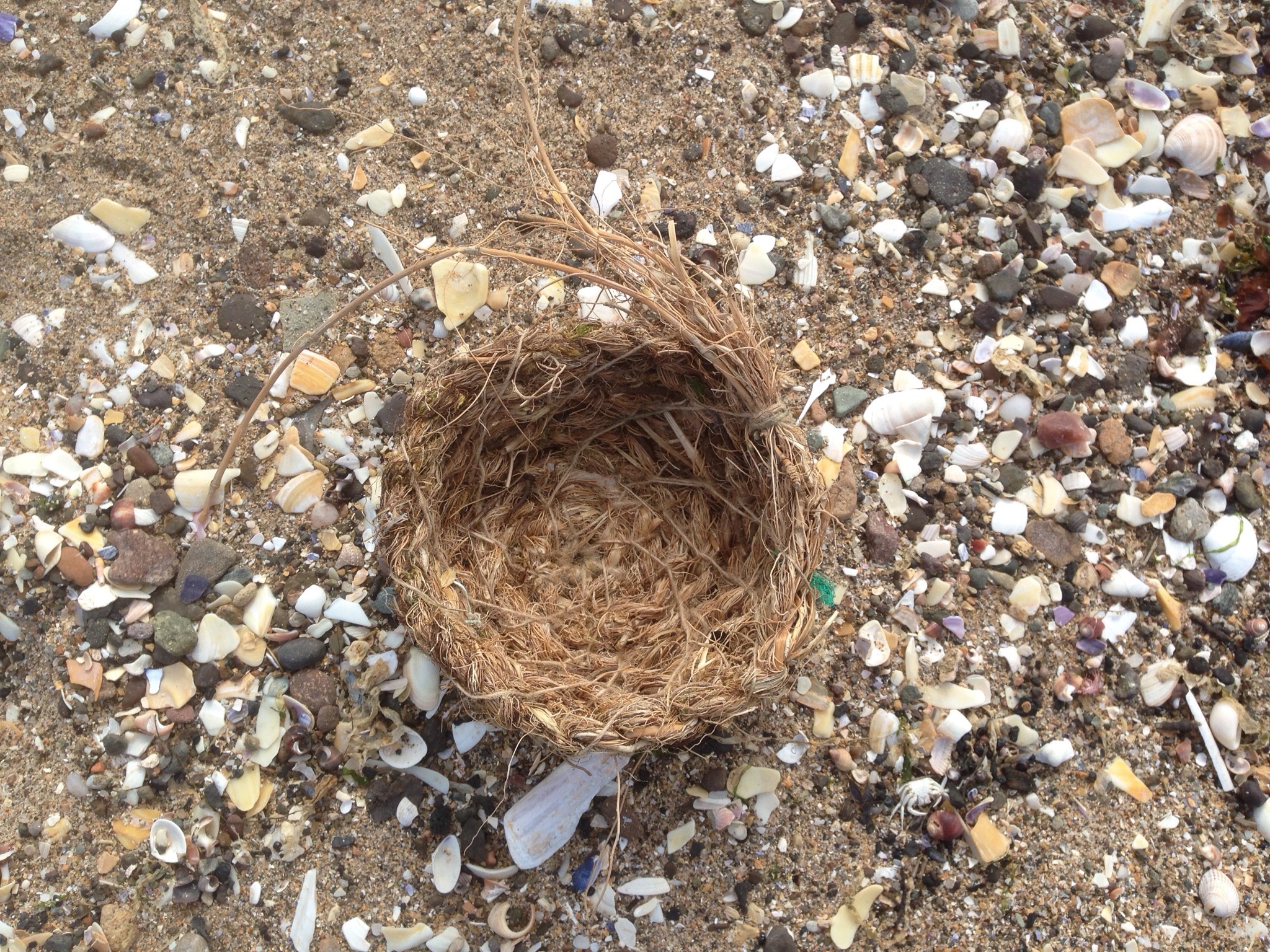
Do you remember the wee basket I made at Largo Bay in May? It’s been through an interesting process since then…

Largo Bay basket and shells

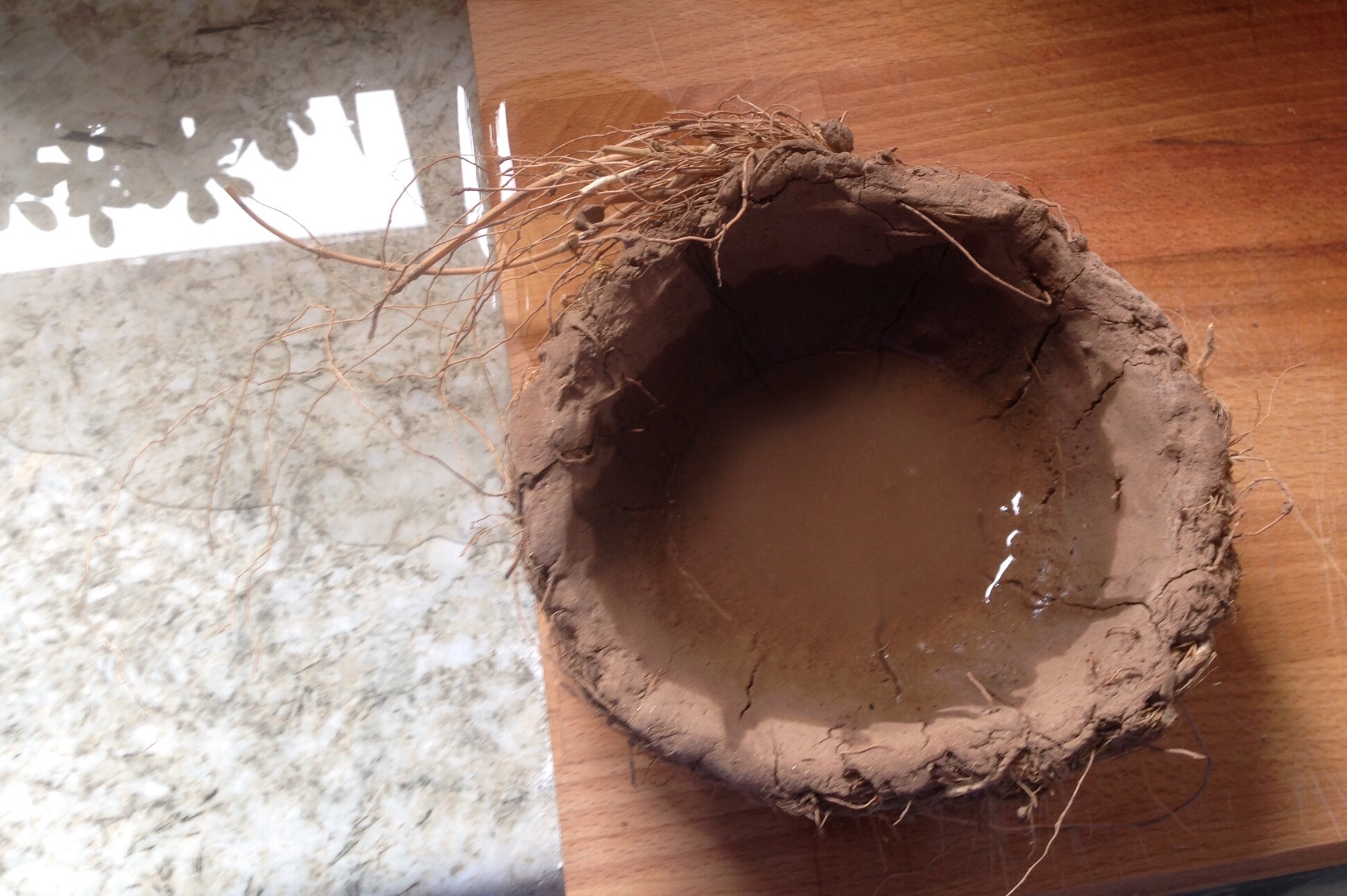
Wet clay

Basket drying out

image

image

image

I made the basket for an experiment. I’d found an outcrop of sticky sediment at the east end of the Bay and tested it the way we were taught on geography field trips. I spat on a small piece on the palm of my hand and rubbed it. A soapy feeling meant it was silty. I rolled a small piece on the palm of my hand and bent the little roll into a horseshoe. It didn’t crack, meaning it might be clay. Exciting!

I had a memory of reading somewhere that shards of pottery showing an impressed basket-weave pattern had once been found in an excavation. No memory of where or when, or whether it was the author’s speculation or mine that the clay lining in a basket had been cooked and fired by accident. Why would someone line a basket with clay anyway? To make it waterproof? Would that work? Was this how ceramics were invented? I wanted to try it. I made the rough rope basket on the beach and took a small lump of the ‘clay’ home with me to try out.

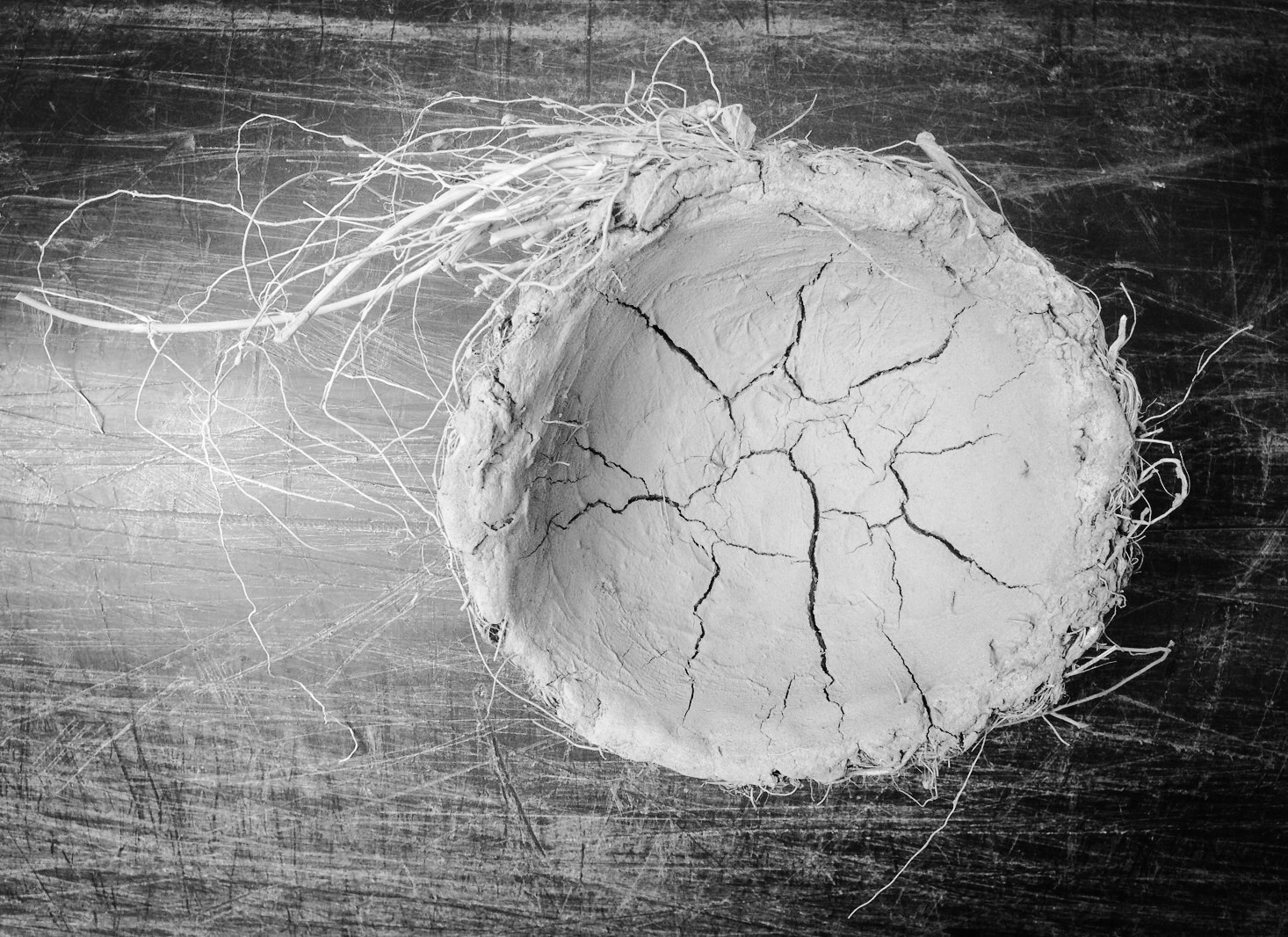
The sediment softened easily with a little water and I kneaded it to get it workable. Lining the basket was fun. Not much leakage at that point. I left it to dry on a window-ledge and watched it change over the next few days. Cracks began to appear, so I pressed them together and smoothed the surface. The clay-stuff became sparkly as it dried. Mica flakes from ancient Highland rocks, reduced to silt long ago?

Would this basket lining be waterproof? It looked good. I took it through to the kitchen, poured in a glass of water and watched as it ran straight out onto the bunker! Hmm. Answered that question.

As the basket/bowl dried out again it developed a nice network of cracks. I quite like it. Should I subject it to the final test and bake it in a fire, or just keep it as it is?

Stones carved with stones

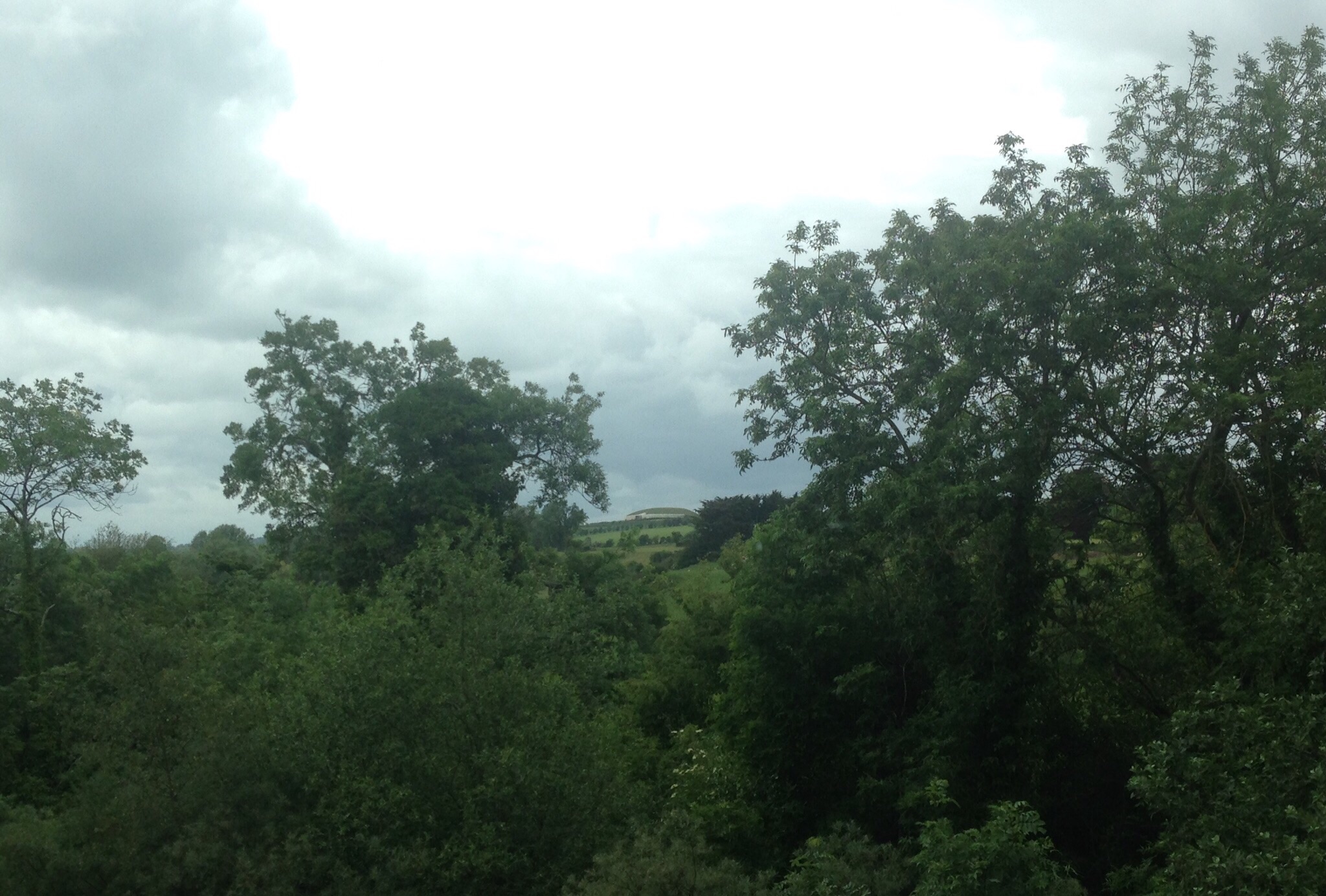
Twelve days in Ireland. We explored the north and north-west, hugging the coast, then travelled east to see a friend in Drogheda. On the way back to Belfast and home, we visited Newgrange. I’ve wanted to go there ever since seeing a photograph of its beautiful carved stones many years ago (on a Clannad album cover?!).

image

Newgrange is a huge burial mound constructed 5000 years ago, long before metal tools were used in Ireland – which means all the Newgrange carvings were made using stone on stone. Not so much carvings as peckings. How long did they take to make?

Newgrange entrance

image

Newgrange view

Picts

It’s been an interesting month or so, with creative workshops and school visits in Leslie, Freuchie, Falkland and Cambo.

I was invited by Dr. Oliver O’Grady to be involved in a set of ‘creative archaeology’ sessions in primary schools around the Lomond Hills, exploring the life and art of the Picts, those mysterious tribes who lived in our part of Scotland 2000 years ago.  The school children (and me!)  were very excited to get a close look at some of the recent finds from Oliver’s community archaeology excavations up on the shoulder of East Lomond. It turns out this hill was a major tribal fort and settlement – not all that surprising when you think about all the places it can be seen from. A stone spindle whorl and curved piece of black shale bracelet made a big impression on the children, and from their reaction  you could see the value of bringing real ancient artefacts into the classroom. The people who spun with the spindle and wore the bracelet became a little bit more real.

Crescent v rod

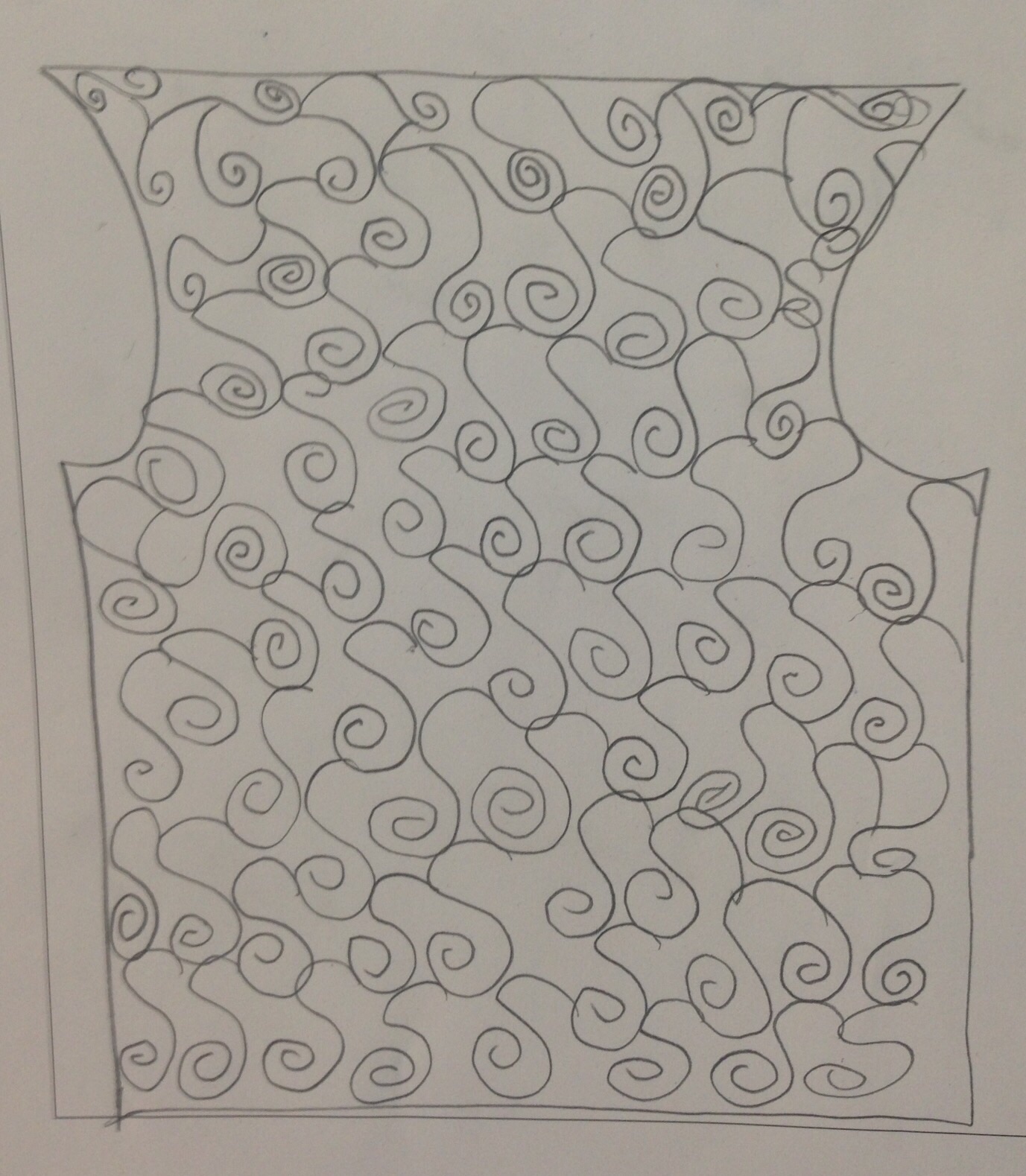
I introduced the children to Pictish art, as seen on the beautiful carved stones found in Eastern and Northern Scotland. We talked about Picts’ fascination with intricate patterns – mazes, spirals and curves – and speculated about why they made them. I liked one child’s suggestion that perhaps they were puzzles and games to keep the Pictish children entertained.

Spiral arm        Spiral arm print

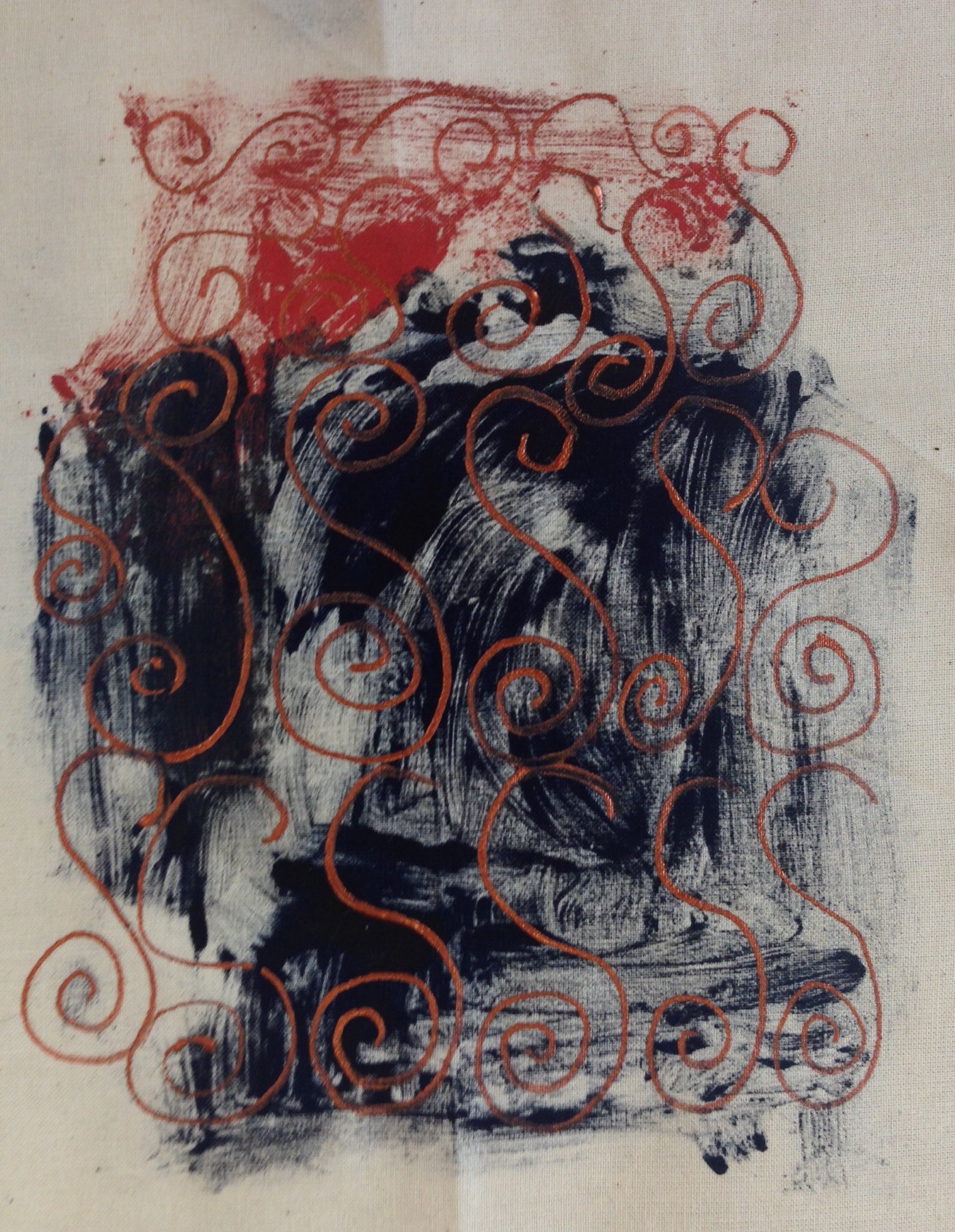
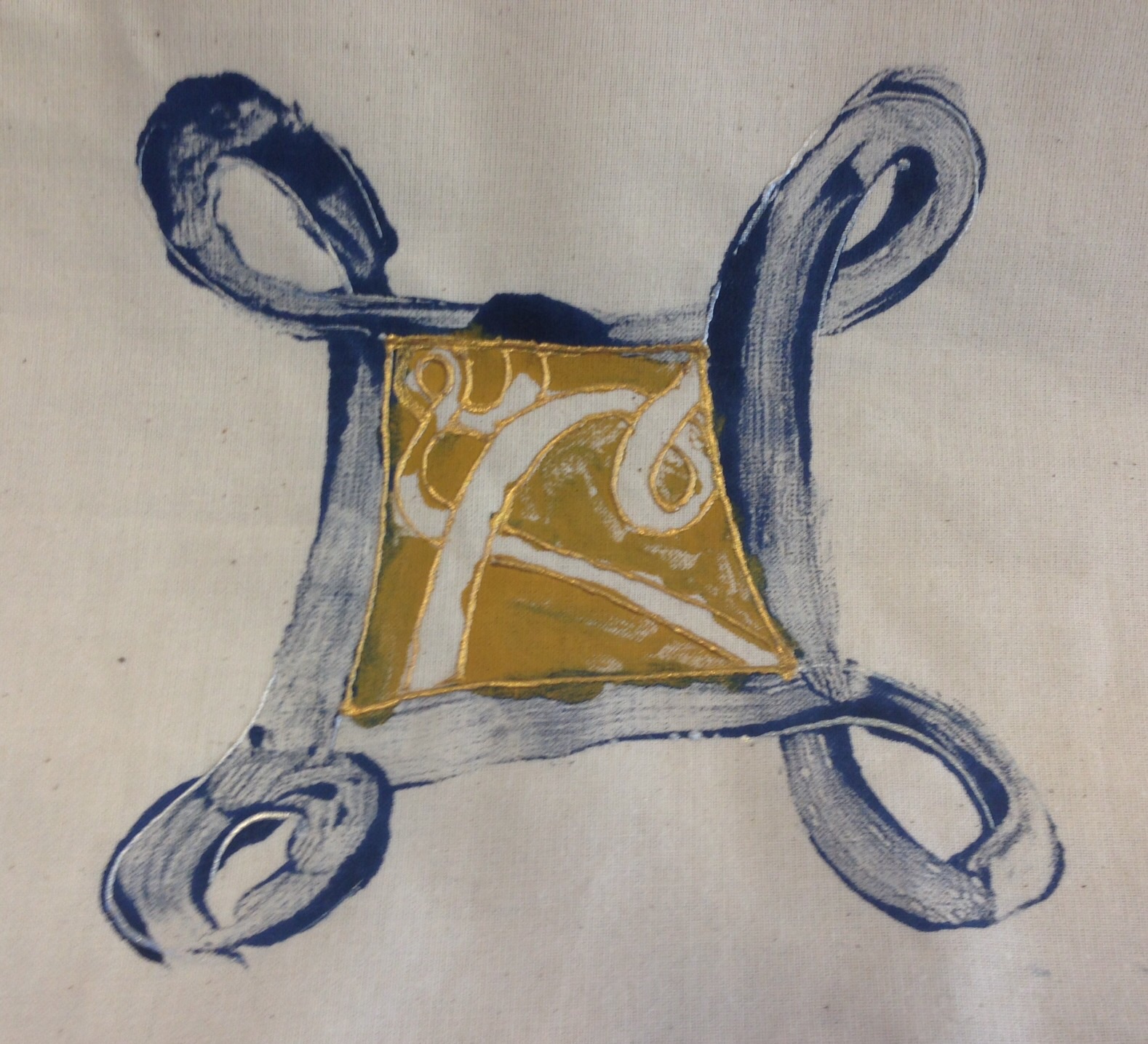
Oliver asked the pupils to work out their own ‘Pictish’ names using old Scottish naming traditions (I was Janice Nic Sam) and to choose a role for themselves in Pictish society. There were many warriors and queens, also jewellers, blacksmiths and musicians. They invented and drew their own personal symbols, inspired by the Pictish patterns we’d been looking at and their own lives and interests. Their designs are beautiful, full of energetic spirals, curves, animals and artefacts. We mono-printed them onto cotton in the classroom and I later embellished the bold prints with details from the original pencil drawings. I used gold, silver and copper ink to bring in some of that Pictish love of ‘bling’ seen in their gorgeous brooches and silver chains.

Shield

I stitched the prints onto long lengths of cotton to make a banner for each school and showed them at a gathering for pupils, parents and teachers at Leslie Primary School, along with a set of  sculpted plaques made by local artist Penny Sinclair from three of the children’s drawings. The plaques are lovely, very like Pictish carvings, and will be kept by each school to celebrate the project. (I’ll post photos of these at a later date). The banners will be shown again at the next Big Dig, at Lochore Meadows Country Park later this year, and then the prints will be returned to the children.

image

(see the ‘Discover the Ancient Lomonds’ pages on the Living Lomonds Landscape Partnership website for more info about archaeology projects happening 2015-16:  www.livinglomonds.org.uk)

Pussy willows and cold bees

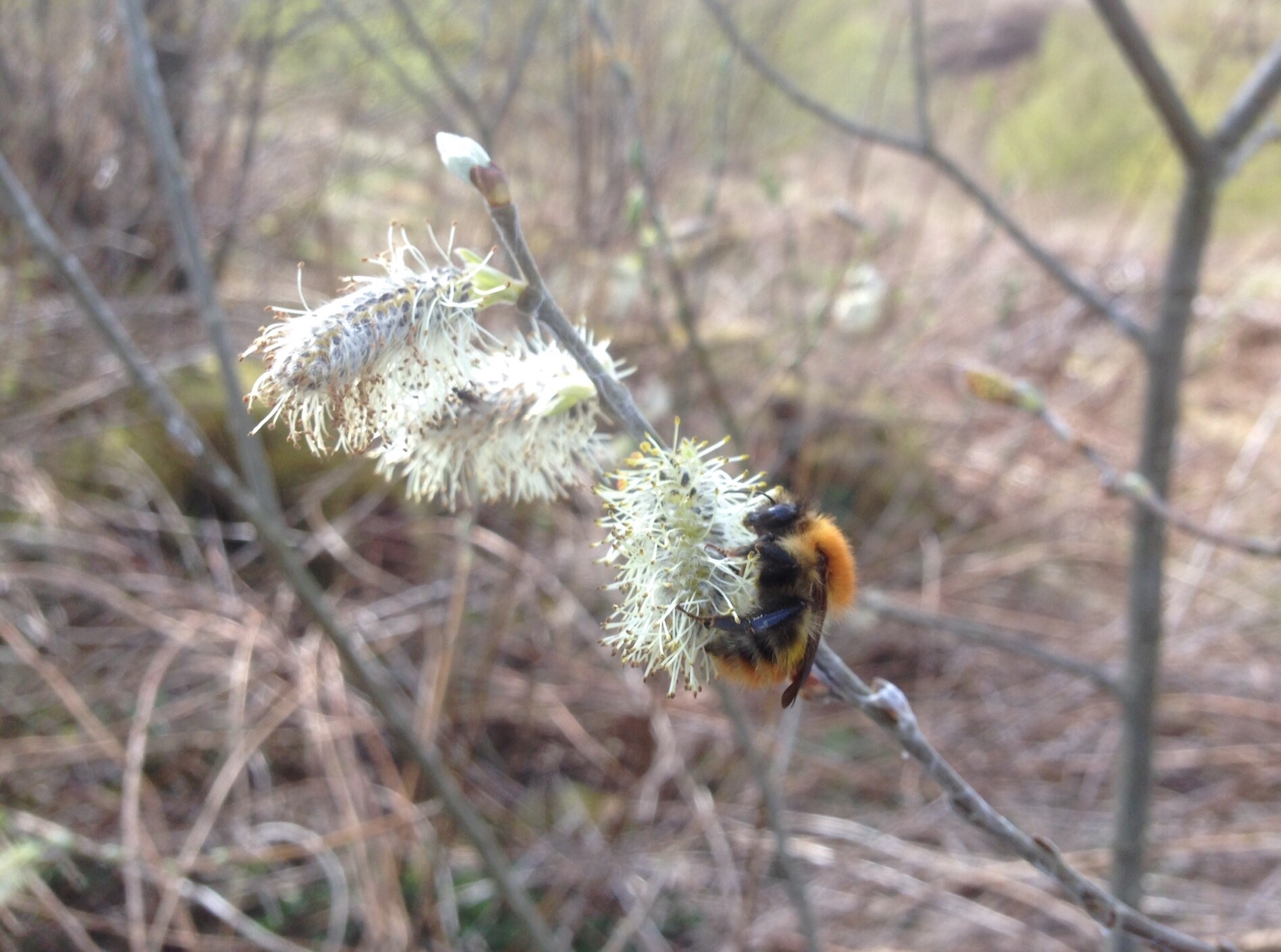
Pussy willow bee

I love the sequence of changes in spring, almost predictable but not quite. Pussy willows and blackthorn blossom before dandelions and birch leaves, willow warblers before martins. It must be a shock for all of them when the weather flips back to winter. Yesterday this bee was searching for some calories on some of the last pussy willows in Coalpit Den.

Largo Bay

Largo Bay

Largo Bay is the big bite out of the south coast of Fife, between Methil and Elie. It is our nearest long beach with dunes, only 40 minutes drive from home over the Cults Hills.  Last week I explored the east end of the Bay around Ruddons Point and enjoyed wild weather and big skies while on the hunt for interesting materials.

The dunes have been battered by high seas this winter, eroding a small sand cliff round the Bay. I picked up a tangle of washed-out lyme and marram grass roots from the tideline, strong stuff when I tried to pull it apart. It made six feet of rough rope. I stitched it into a small basket with a particular purpose in mind (more on that in a future post).

Seagrass roots

plant roots, moss, wrack, jute, beeswax
Tideline basket: plant roots, moss, wrack, jute, beeswax

Basket with shells

Tay Willow

Tay willow

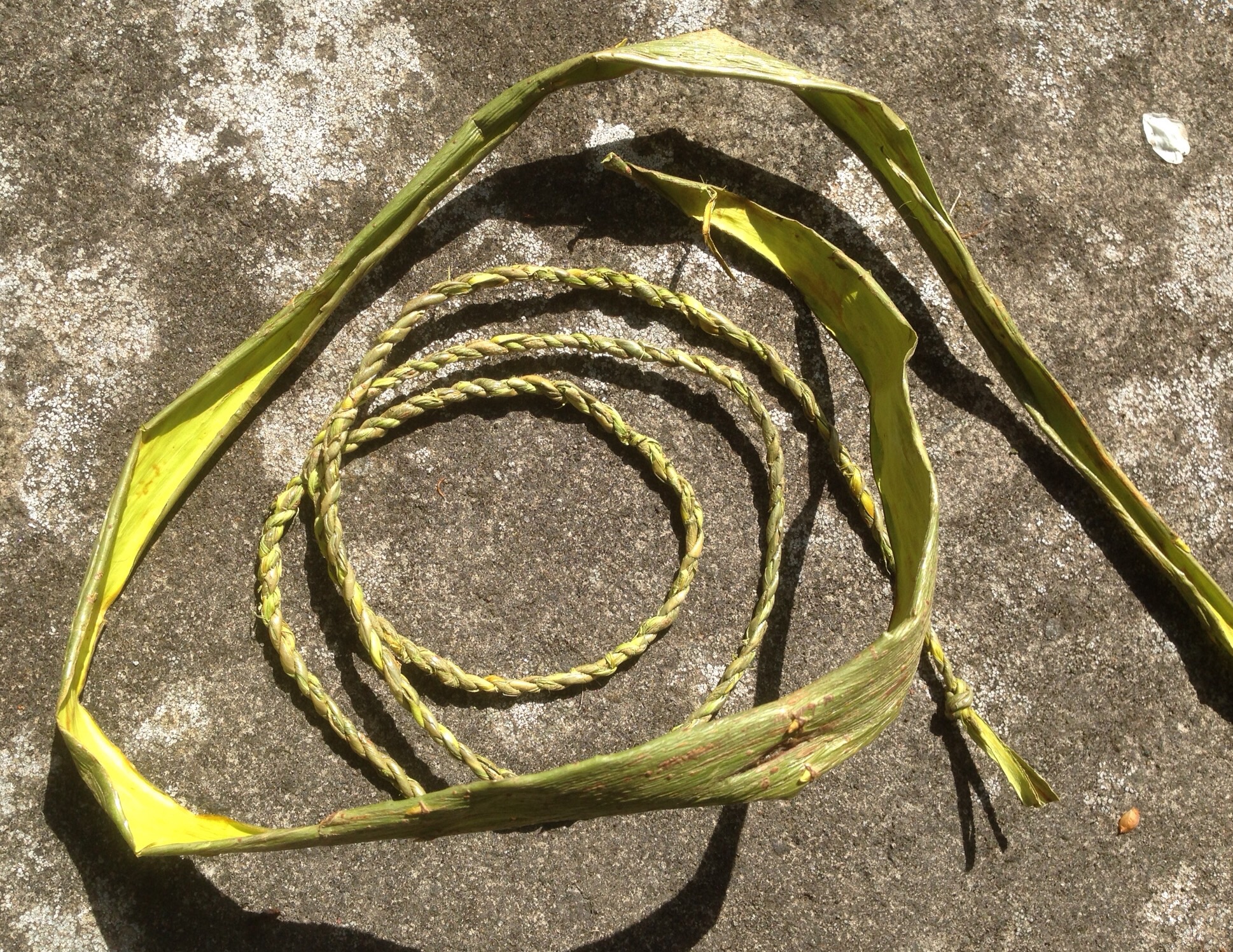
Last Friday we explored a path along the River Tay looking for signs of the famous beavers, and yes, we did find some sharp-toothed twig snippage. I collected a couple of willow sticks and stripped the bark for a look at the beavers’ favourite food. The Spring wood is sappy and the bark peels off easily. I was astonished by the colour of the inner bark. Will it stay this amazing lime-green as it dries out?

The bark smells sweet but it doesn’t taste so good. I made a length of cordage and tried biting off the loose ends, they were pretty bitter. Finished the tidy-up with scissors!

Butterburn (a poem)

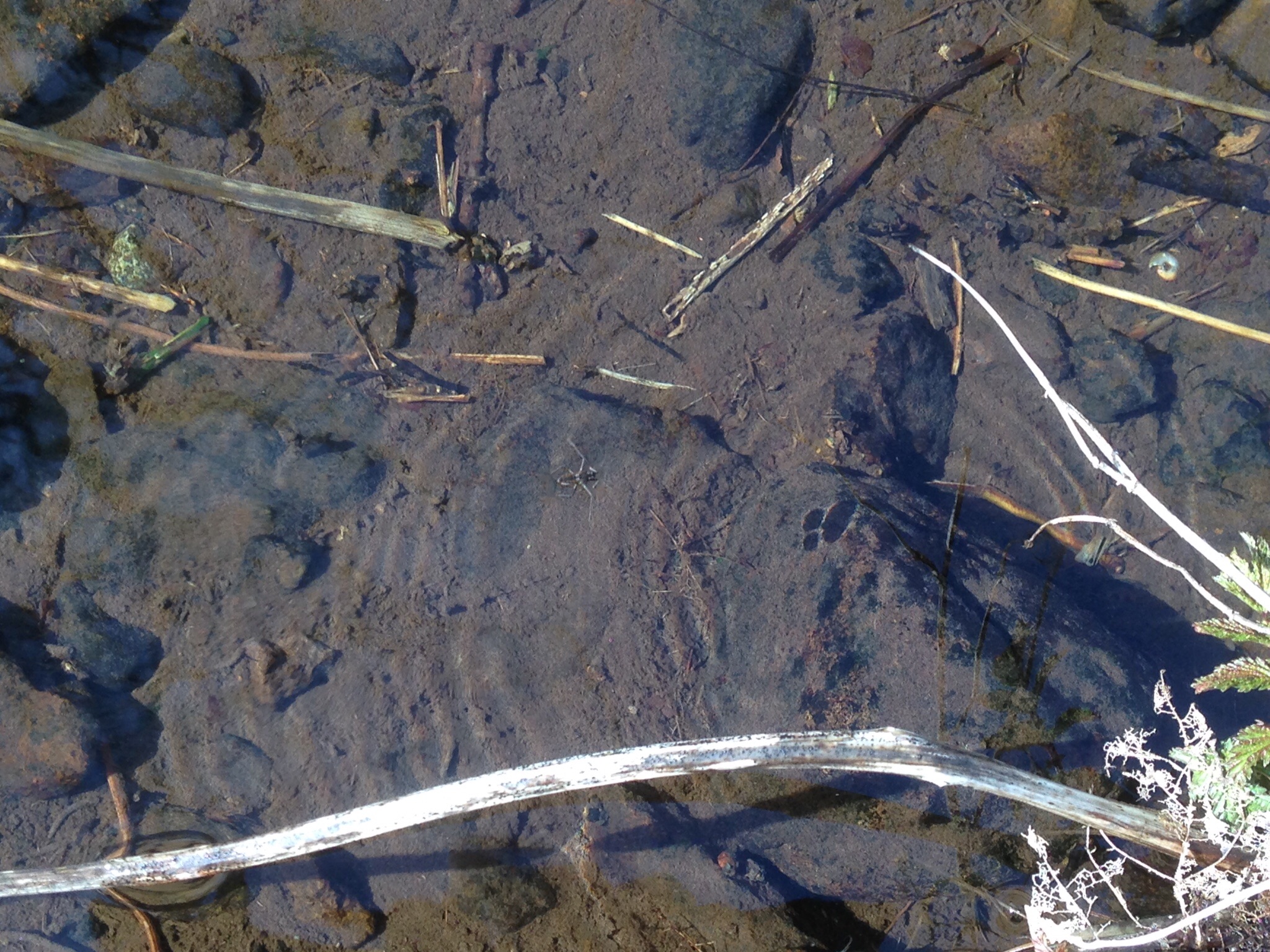
Pondskater

Stare into the burn

Clear water three inches deep

Runs over small stones and brown mud

The fastest life is on the surface film

Pondskaters chase their own shadows

Making frog-faces on the stream bed

Shrimps on their sides swim past

Stick and grass tubes

And cones of rainbow sand

With caddisfly larvae safe-cased inside

A snail shell shines in the mud

Slowest of the water creatures

Especially this one (it’s dead)

Chiff-chaff and willow warbler take turns to sing

In the trees over the burn

A faded peacock stops

For five seconds’ charge of sun

Marsh marigold shines bright

Black ash buds explode purple-brown

A bumble bee lands on butterbur

The flower collapses under its weight

Wren and robin share soundspace with warblers

Lesser celandines peek through gaps

In windflat grass by the burn

Anemones glow white on a willow stump

And catkins fade yellow on the tree.

Kinross-shire, 16.4.15

Copyright Jan Hendry 2015

Rocks, water and old rope

A few weeks ago I visited Elie and Earlsferry with my friend Ruth, for an afternoon’s beach-walking and raking about in the tide-line (rocks + water + old rope = fun!).

Ship's rope             Rope tangle

We harvested a bit of massive ship’s rope made of natural fibre, we’re not sure what. Sisal? Hemp? Jute? Very long and strong fibres anyway. We also collected a lot of polypropylene rope, net and fankled fishing line, to keep it away from birds and animals – and for up-cycling.

We knew there was a word for taking apart old ropes to re-use the fibres but couldn’t remember it. Ruth emailed me later – it’s called “picking oakum”. A job carried out in the past by adults and children in workhouses and jails, and much more unpleasant than what we were doing. The rope they picked apart was covered in tar. The recovered fibres were used for caulking between ships’ planks and decking, to keep them water-tight.

……………………………………………

Here’s my first attempt at up-cycling ships’ rope fibres, made for my daughter’s birthday this time:

natural fibre ship's rope, polypropylene rope, baker's twine, beeswax
natural fibre ship’s rope, polypropylene rope, baker’s twine, beeswax

It’s a small basket this one, about 11cm across.

I like the colours. They remind me of something…

Blue-footed booby
Blue-footed booby, photographed by Calum Hendry/Gemma Wadey in Isla de Plata, Ecuador 2011